
Have you ever scrolled through your social media feed and stumbled upon a meme that made you chuckle while simultaneously questioning your own self-worth? Enter the confidence delusion meme. This humorous take on overconfidence resonates with many, sparking both laughs and deeper reflections about our perceptions of ourselves. As it gains traction across platforms, this meme uncovers more than just humor; it sheds light on our society’s complex relationship with confidence, ambition, and reality. Let’s dive into what makes this delusion meme so relatable and explore its impact on mental health and self-awareness in today’s digital world.
Explaining
The confidence delusion meme plays on the idea that some individuals exude an overwhelming sense of self-assurance, often without a solid foundation. It’s the phenomenon where people project an inflated image of their abilities or knowledge, leading to humorous yet relatable situations.
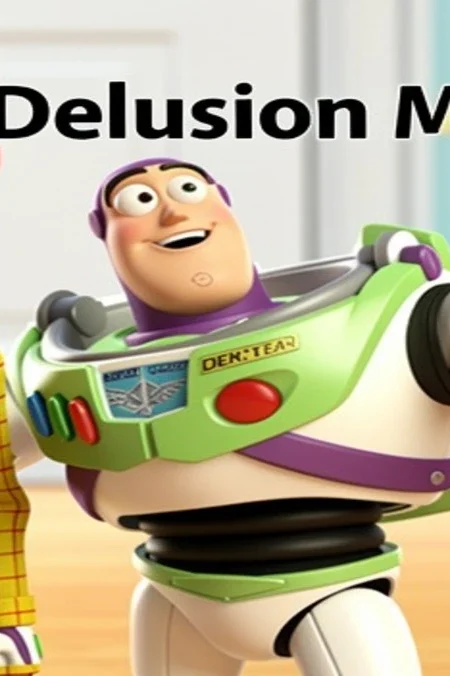
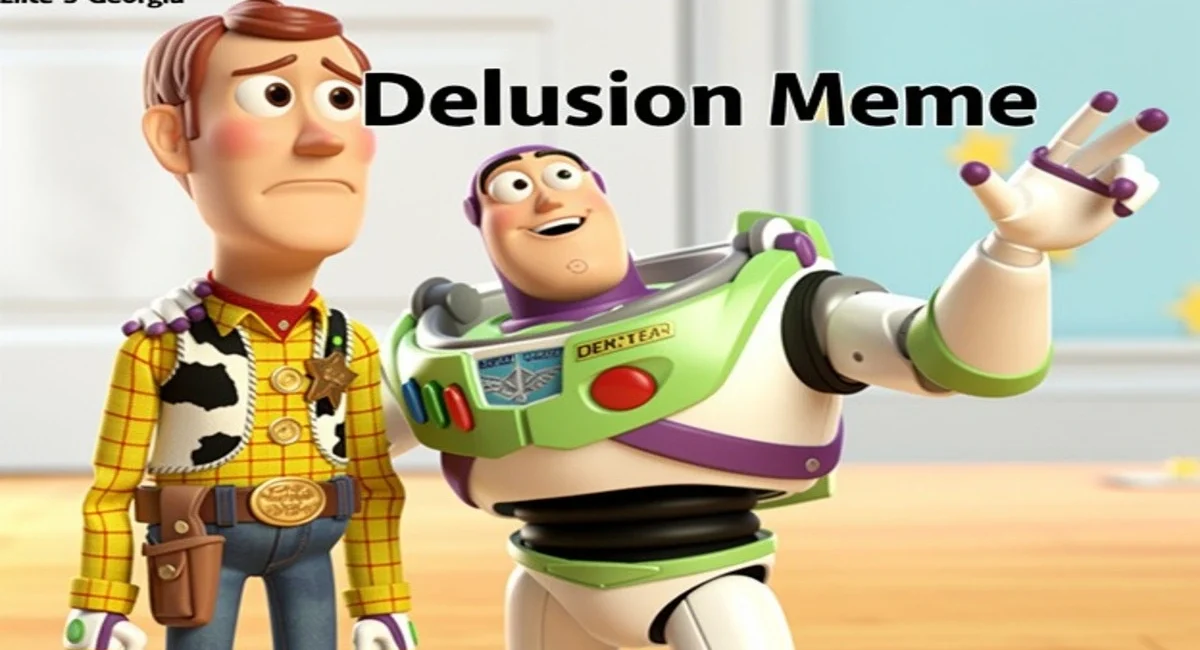
This meme typically features contrasting images or phrases that highlight the difference between actual competence and perceived confidence. It serves as a visual commentary on how we sometimes overestimate our skills while underestimating challenges.
By exaggerating this disconnect, it strikes a chord with anyone who has felt out of their depth but still tried to present themselves boldly. The humor lies in its authenticity many can recall moments when they’ve bravely faced uncertainty, only to realize later just how much they didn’t know.
The origins of the meme and its rise in popularity
The “confidence delusion” meme began circulating on social media platforms in the early 2020s. It features a simple image juxtaposed with text that humorously highlights the gap between perceived confidence and actual ability.
This clever contrast quickly caught fire, resonating with users who found themselves laughing at their own experiences. The rise of TikTok and Instagram created fertile ground for memes like this to flourish, as people shared relatable moments from their lives.
As more users engaged with it, variations popped up across different formats. Creators adapted the concept to fit various contexts—from personal anecdotes to broader societal observations—leading to widespread recognition.
Its shareability has played a significant role in its popularity; every retweet or repost adds another layer of relatability. This constant cycle fuels both conversation and introspection about self-image and confidence dynamics among audiences everywhere.
Why people relate to this meme
People resonate with the confidence delusion meme because it captures a universal truth about self-perception. Many individuals struggle between their aspirations and their reality. This disconnect is humorously depicted in the meme, making it relatable to a wide audience.
The exaggeration in the meme reflects how people often inflate their own abilities or downplay challenges. It’s an all-too-familiar feeling for anyone who has ever felt out of place yet tried to project confidence.
Moreover, this meme taps into our shared experiences of imposter syndrome. It serves as a reminder that we’re not alone in grappling with self-doubt while trying to appear assured.
By laughing at these moments of cognitive dissonance, people find solace. The relatability fosters community and encourages open discussions around insecurities, ultimately allowing for deeper connections through humor.
How social media perpetuates the confidence delusion
Social media platforms are a double-edged sword. They can uplift or distort perceptions of self-worth. In the quest for likes, users often curate idealized versions of their lives. This creates an illusion that everyone else is thriving.
The constant barrage of perfectly staged photos and success stories amplifies feelings of inadequacy in many. Seeing others’ highlights makes it easy to forget that most people face struggles behind the scenes.
Moreover, algorithms tend to promote content that showcases confidence over vulnerability. This fuels the delusion further as users equate engagement with authenticity.
Influencers play a pivotal role too. Many project unshakeable confidence, which can lead followers to believe this is the norm rather than an exception. The pressure to match these standards leaves little room for authentic self-reflection.
As validation becomes dependent on external approval, genuine self-awareness often takes a backseat in this digital landscape.
The impact of the meme on mental health and self-perception
The confidence delusion meme has sparked conversations about self-perception and mental health. By exaggerating the gap between actual abilities and perceived skills, it highlights a common struggle many face.
People often find themselves caught in a cycle of comparison. Scrolling through social media feeds filled with confident portrayals can distort reality, leading to feelings of inadequacy. The meme serves as both humor and critique, reflecting how we sometimes inflate our self-worth while feeling the pressure to fit an ideal.
For some, this duality sparks introspection. It encourages individuals to reassess their own capabilities versus their public personas. Yet for others, it may deepen insecurities or foster imposter syndrome.
This interplay between humor and vulnerability can evoke strong emotions. Users relate not just through laughter but also shared experiences of doubt that lurk beneath the surface of bravado.
Balancing confidence and self-awareness
Balancing confidence and self-awareness is a nuanced dance. Confidence fuels ambition, pushing us to chase dreams. It’s that inner voice saying, “You can do this!” Yet, unchecked confidence can easily tip into arrogance.
Self-awareness acts as the grounding force. It helps us recognize our strengths while also acknowledging our limitations. This awareness fosters growth and learning.
Finding the sweet spot requires practice. Take time for reflection; it encourages clarity about your skills and areas needing improvement.
Engaging with others provides insight too—feedback from friends or colleagues offers perspectives you might miss on your own.
Embracing vulnerability is key in this balance. Admitting uncertainty or seeking help doesn’t diminish your worth but enhances it by showing maturity and resilience.
Navigating this path leads to authentic connections and personal fulfillment.
Conclusion: Finding a healthy balance between confidence and humility
Finding a healthy balance between confidence and humility is essential in navigating today’s world. While the delusion meme highlights the humorous side of overconfidence, it also prompts deeper reflection on self-perception. Confidence fuels ambition and drives personal growth, but unchecked arrogance can lead to pitfalls.
Embracing humility allows for a more authentic connection with ourselves and others. It creates space for vulnerability, honesty, and genuine learning experiences. Recognizing that everyone has strengths and weaknesses helps foster resilience against societal pressures to always appear confident.
Engaging with memes like the confidence delusion can be fun and relatable, but it’s crucial to remain grounded in reality. Striving for self-awareness while nurturing genuine capabilities leads to sustainable success rather than fleeting moments of bravado.
Balancing these two elements will not only enrich our lives but also encourage healthier relationships with ourselves and those around us. Striking this equilibrium may pave the way toward true fulfillment both personally and professionally.

Other Articles
What is cross bases: Cross Base for Custom Advertising Flags